Fire Damage Restoration Projects and the Dumpster Rental Advantage
This is a subtitle for your new post
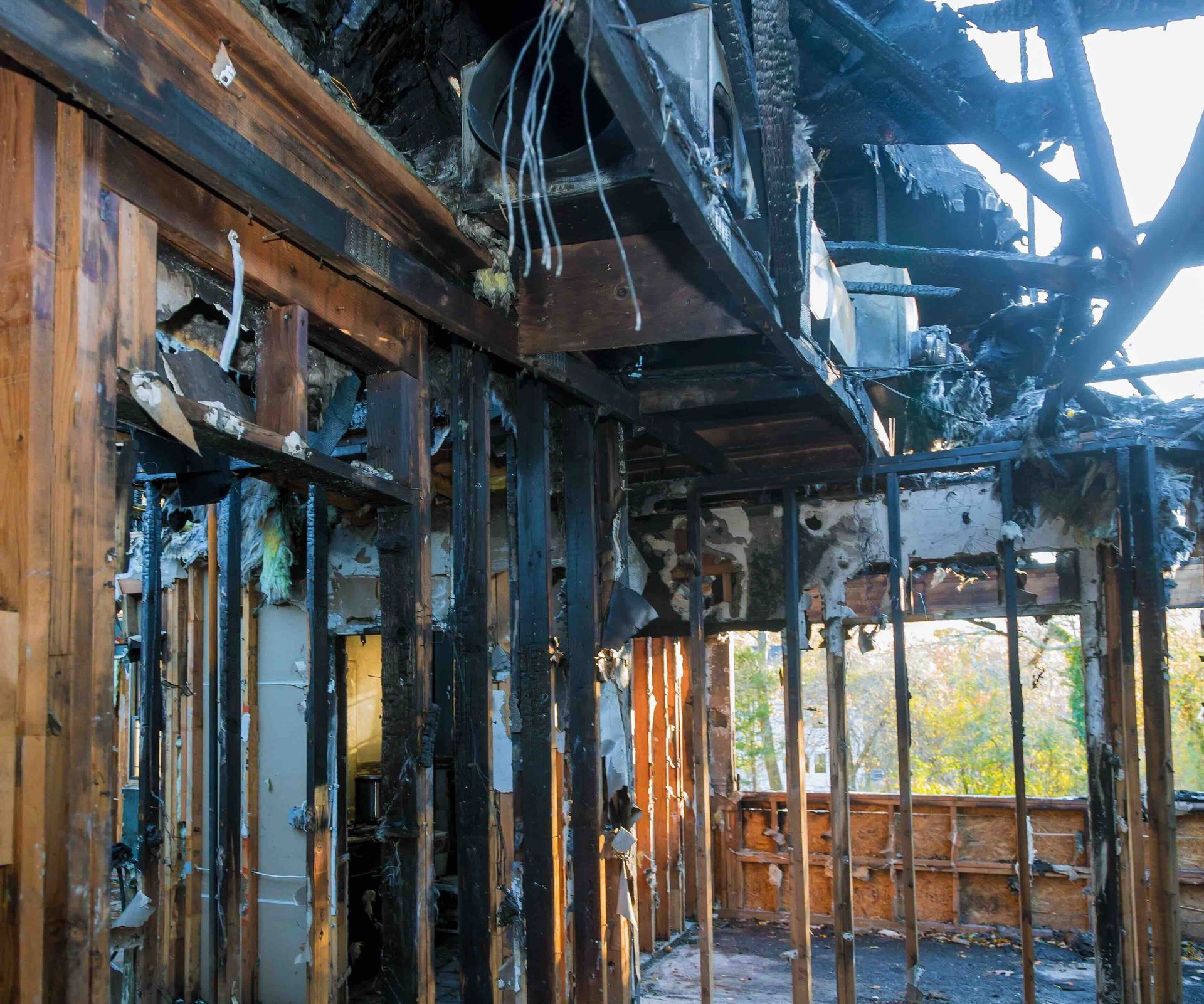
How Dumpster Rentals Support Fire Damage Restoration Projects
Fire damage restoration is rarely just about cleaning soot and smoke; it almost always involves serious debris removal, structural tear-outs, and careful handling of damaged material. A well-planned dumpster rental can turn a chaotic, stressful fire cleanup into an organized, safer, and faster restoration project.
Why Dumpsters Are Essential for Fire Damage Restoration
When a fire hits a home or business, restoration professionals and property owners must move quickly to remove unsafe materials and start drying, cleaning, and rebuilding. A dedicated dumpster on-site keeps the project moving instead of letting debris pile up in driveways, garages, or front yards.
- A roll-off dumpster gives you a centralized, secure place to toss burned materials, smoke-damaged contents, and demolition debris as you go.
- With same-day or next-day delivery available in many areas, you can get a dumpster to your property quickly so restoration doesn’t stall while you wait for waste solutions.
For fire damage restoration, especially in and around Jackson, MS, renting a 15 yard, 20 yard, or 25 yard dumpster offers the flexible capacity needed for everything from a single room fire to a whole-structure overhaul.
The Role of Dumpster Rentals in Fire Cleanup
Keeping the Site Safe and Organized
Fire-damaged properties are full of hazards: broken glass, nails, charred framing, and unstable materials. Having a dumpster nearby helps you manage these dangers more effectively.
- Debris goes straight into the container instead of piling up around the property, reducing trip hazards and sharp-object exposure.
- Keeping pathways clear improves access for fire damage restoration crews, inspectors, and adjusters, which speeds up decision-making and progress.
By consolidating debris in one place, dumpsters support a cleaner, more controlled work environment—critical when working around weakened structures and lingering smoke contamination.
Speeding Up Fire Damage Restoration Timelines
Time is a major factor after a fire. The longer debris and wet materials sit, the more likely you are to face secondary damage like mold, odors, and further structural deterioration.
- A dumpster on-site lets crews start demo and debris removal immediately, instead of waiting for multiple truck runs or municipal bulk pickups.
- Because a reputable company can handle automatic pickup at the end of your rental, you spend less energy coordinating hauling logistics and more on actual restoration.
For fire damage restoration contractors, that efficiency can be the difference between a project that stretches on for weeks and one that wraps on schedule.
Choosing the Right Dumpster Size for Fire Damage Restoration
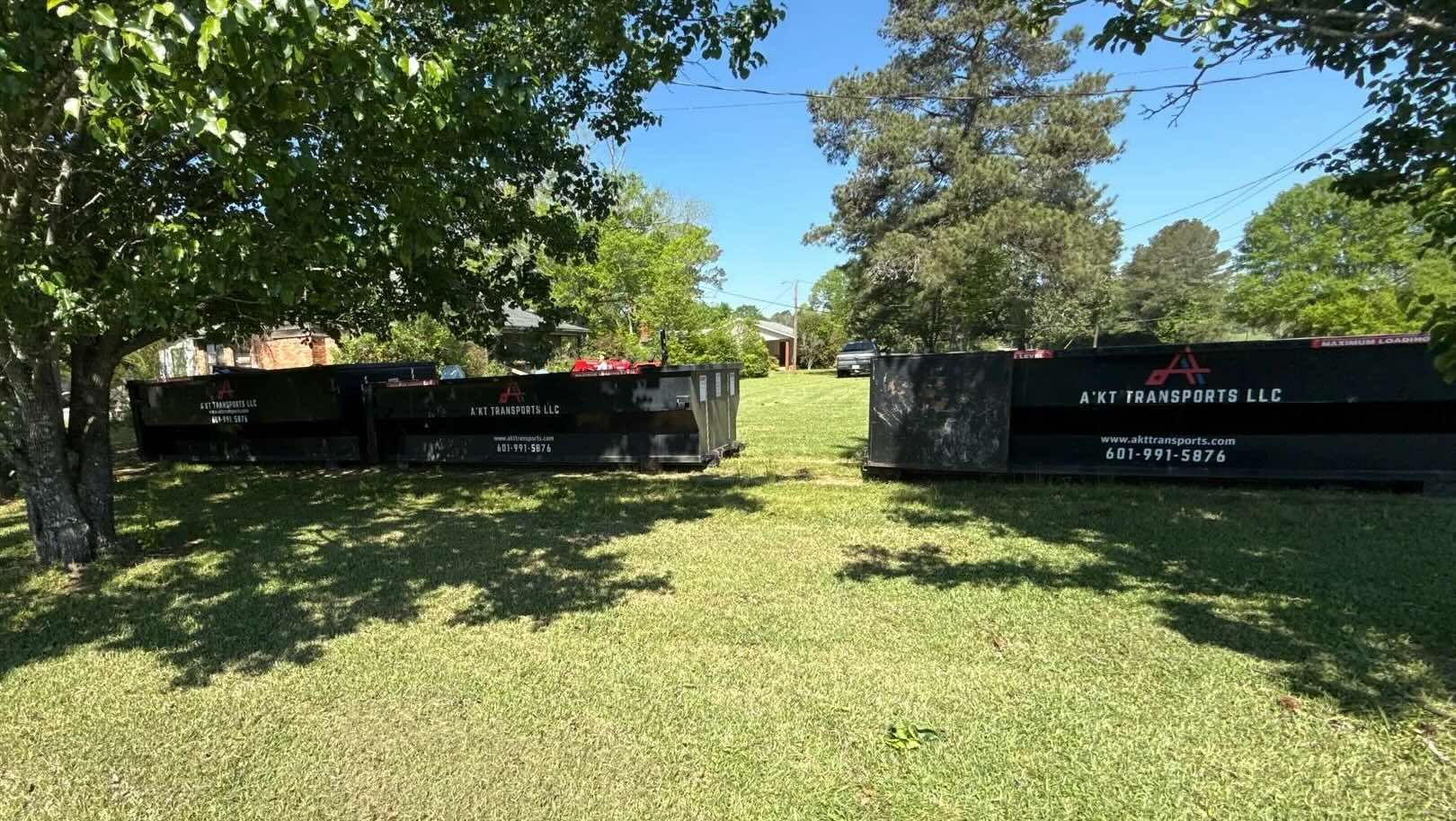
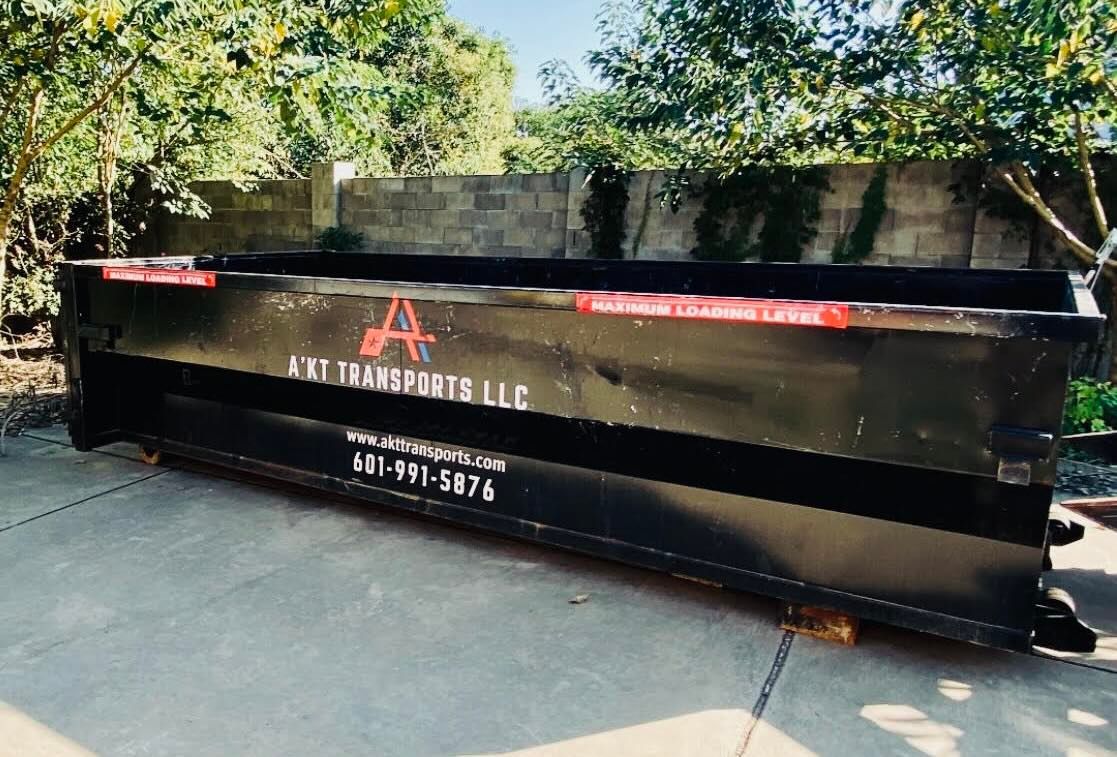
A’KT Transports offers three key sizes that work especially well for fire-related cleanup: 15 yard, 20 yard, and 25 yard dumpsters. Each size suits different types and scales of restoration work.
15 Yard Dumpsters for Smaller Fire Losses
A 15 yard dumpster is often ideal for smaller fires or localized damage, such as a kitchen blaze or smoke damage in a single area.
- Typical dimensions are about 16’ L x 7’ W x 4’ H, giving you plenty of room without overwhelming tight driveways or cramped residential spaces.
- With 1 ton (2,000 lbs) of included weight and flexible rental durations of 3, 5, or 7 days, it works well for short-term, focused fire damage restoration projects.
Common uses after a smaller fire:
- Cabinetry, countertops, and damaged drywall from a kitchen or bathroom
- Smoke-damaged furniture and soft goods that can’t be salvaged
- Flooring, baseboards, and trim from a couple of rooms
For homeowners handling partial tear-out with a fire damage restoration company, a 15 yard dumpster provides an efficient balance of size and maneuverability.
20 Yard Dumpsters for Moderate Fire Damage
For moderate fire damage restoration, such as multi-room losses or significant smoke and soot throughout a home or small commercial space, a 20 yard dumpster often fits best.
- Measuring roughly 16’ L x 7’ W x 5’ H, this dumpster includes 2 tons (4,000 lbs) of debris capacity and supports 3, 5, and 7 day rental options.
- It is well suited for medium-sized projects like full-room renovations, structural tear-outs, and heavy smoke cleanup that requires replacing drywall, insulation, and flooring.
Typical applications after a fire:
- Removing drywall, insulation, and framing from multiple rooms
- Disposing of charred roofing materials, siding, and exterior trim
- Handling smoke-damaged fixtures, cabinetry, and built-ins
Restoration crews value 20 yard dumpsters because they strike a practical balance between capacity and site access, particularly in neighborhoods with limited parking or narrow driveways.
25 Yard Dumpsters for Large Fire Restoration Projects
Severe fires that impact large homes, multifamily buildings, or commercial spaces often demand the capacity of a 25 yard dumpster.
- At about 16’ L x 7’ W x 6’ H with 3 tons (6,000 lbs) of included weight, a 25 yard dumpster can handle substantial demolition and bulky, fire-damaged materials.
- These containers work well for full-scale fire damage restoration, including estate cleanouts, office remodels after fire, and larger structural tear-outs.
After a major fire, a 25 yard dumpster is excellent for:
- Removing large volumes of burned lumber, roofing, and framing
- Handling entire room or floor-level clean outs in one or two loads
- Managing demolition waste from structural rebuilding phases
For fire damage restoration contractors, a 25 yard unit often reduces the need for multiple smaller containers, which can simplify logistics and control costs.
How Dumpster Rentals Fit into the Fire Restoration Process
Dumpster rentals integrate naturally into a typical fire damage restoration workflow, from the first assessment through reconstruction.
Step 1: Assessment and Planning
Before any debris hits the dumpster, restoration teams usually evaluate the extent of structural and contents damage.
- During this phase, you can estimate the volume and type of debris expected, helping you choose between a 15 yard, 20 yard, or 25 yard dumpster.
- A’KT Transports can help match dumpster size to your project needs if you describe the fire’s impact and the areas being restored.
This planning step ensures that when demolition and cleanup start, you already have the right container on-site.
Step 2: Securing the Property and Removing Debris
Once the property is safe to enter, fire damage restoration crews begin clearing out unsafe or unsalvageable materials.
- Burned drywall, charred studs, insulation, damaged furniture, and ruined contents go directly into the dumpster to keep the environment as clean as possible.
- Because dumpsters are designed for construction and remodeling waste, they can handle common fire debris such as wood, lumber, drywall, plaster, cardboard, and non-freon appliances.
This immediate disposal prevents piles of unstable debris and makes further cleaning, odor removal, and structural repairs more efficient.
Step 3: Structural Drying, Cleaning, and Odor Removal
After the worst of the debris is removed via the dumpster, restoration professionals can focus on drying, cleaning, and deodorizing the remaining structure.
- With waste out of the way, there is better airflow and easier access for drying equipment, HEPA vacuums, and cleaning crews.
- Any additional materials discovered to be unsalvageable during this phase can be tossed into the dumpster, which remains on-site throughout the cleanup window.
Having a dumpster available during both demolition and cleaning supports a smoother fire damage restoration workflow from start to finish.
Step 4: Reconstruction and Final Clean Out
When it is time to rebuild and restore the property, dumpsters continue to play a vital role.
- New demolition or modifications for rebuilding—like removing partial walls, outdated fixtures, or damaged finishes—generate more debris that can go straight into the existing dumpster or a new container.
- At the end of the project, a final clean out helps remove remaining scraps, packaging, and minor debris so the property is ready for re-occupancy.
With automatic pickup options, a provider like A’KT Transports can haul away the dumpster when the job wraps, giving you a clear, restored space.
What You Can and Cannot Put in a Dumpster During Fire Damage Restoration
Dumpster rentals give you powerful capacity for debris, but not everything from a fire-damaged property is allowed in a standard roll-off.
Common Fire Debris You Can Toss
Most of the structural and contents waste from fire damage restoration can go in a 15, 20, or 25 yard dumpster, including:
- Household junk, furniture, and general debris
- Construction materials like wood, lumber, drywall, and plaster
- Roofing shingles, cardboard, and non-freon appliances
Some specialty items, such as mattresses, tires, and refrigerators, are accepted for an additional fee per item, which is helpful if these were impacted by smoke or flames.
Prohibited and Hazardous Materials
Because of safety and disposal laws, certain materials cannot go into the dumpster, even when they are a result of fire damage.
- Liquids like paint, stains, and varnishes
- Freon-containing appliances, asbestos, and hazardous waste
- Dirt, concrete, bricks, heavy debris, propane tanks, ammunition, and other pressurized or flammable materials
If you encounter questionable items during fire damage restoration, it is best to call the dumpster provider for guidance so you remain compliant and avoid extra fees.
Why Work with a Local Dumpster Company for Fire Damage Restoration
Fast, Flexible Delivery and Pickup
After a fire, you need dependable, timely service more than ever.
- A’KT Transports offers same-day or next-day delivery when possible and can often drop off the evening before your rental starts at no extra charge.
- When your rental duration ends, they handle pickup automatically, and can arrange swap-outs or extended time if your fire damage restoration project requires it.
This responsiveness keeps your project from stalling and supports ongoing progress, even when timelines shift.
Clear Pricing and Honest Communication
After a fire loss, the last thing anyone wants is surprise costs.
- A’KT Transports uses flat, upfront pricing with included tonnage and clear guidance on specialty items or potential extra fees such as overages or dry runs.
- Real people answer the phone, and the same person you speak with may also deliver your dumpster, which creates consistent, reliable communication.
That transparency pairs well with insurance-driven fire damage restoration projects where documentation and predictable costs matter.
Local Service Area for Jackson, MS
For fire damage restoration projects in and around Jackson, a local dumpster company streamlines logistics.
- A’KT Transports serves Jackson, Clinton, Pearl, Madison, Ridgeland, Florence, Brandon, Terry, Raymond, Byram, and other locations within roughly 60 miles of Jackson, MS, with options to travel up to 75 miles for a small fuel fee.
- This centralized coverage ensures that most local fire damage restoration projects can get dumpsters delivered quickly and reliably.
Practical Tips for Using Dumpsters on Fire Damage Sites
Plan Dumpster Placement Carefully
Where you place your 15 yard, 20 yard, or 25 yard dumpster matters for both safety and efficiency.
- Choose a stable, level surface that can handle the weight, typically a driveway or designated area near the structure.
- Make sure there’s enough clearance for the delivery truck and that crews can easily access the container from the main work zones.
Good placement reduces the distance workers have to carry heavy, burned materials and speeds up each phase of fire damage restoration.
Load the Dumpster Efficiently
Maximizing your dumpster’s capacity helps control costs and may reduce the need for additional containers.
- Break down larger items when possible and load heavier materials first, distributing weight evenly.
- Avoid overfilling past the top rail, as this can lead to safety issues and additional fees at pickup.
If you anticipate a large volume of debris from an extensive fire, consider starting with a 25 yard dumpster or planning for a mid-project swap-out.
Coordinate Dumpster Use with Your Restoration Team
When multiple trades and professionals are involved in fire damage restoration, communication around dumpster use is important.
- Align demo, cleanup, and reconstruction schedules so everyone knows how long the dumpster will be on-site and what types of materials it should hold.
- Clarify prohibited items ahead of time to avoid contamination that could cause delays or extra charges.
With clear guidelines, the dumpster becomes a shared asset that keeps the whole team moving in the same direction.
FAQs About Dumpsters for Fire Damage Restoration
What size dumpster is best for fire damage restoration?
For small, localized fires—such as a single room or kitchen—a 15 yard dumpster is typically sufficient. For multi-room or moderate damage, a 20 yard works well, while extensive residential or light commercial losses usually benefit from a 25 yard dumpster with greater capacity and higher included tonnage.
How long should I rent a dumpster for a fire cleanup?
Most fire damage restoration projects can make good use of 3, 5, or 7 day rental options, depending on scope. Smaller cleanups may only require a few days, while larger, multi-phase projects often keep a dumpster on-site for at least a week or schedule swap-outs as the job progresses.
Can a dumpster be delivered quickly after a fire?
Yes, many local providers offer same-day or next-day delivery, and some can even drop the dumpster off the evening before your rental period officially starts at no extra charge. Fast delivery helps restoration begin promptly once the property is safe to access and any necessary inspections are complete.
What if I’m not sure what can go in the dumpster after a fire?
If you are unsure whether certain materials are allowed—such as partially burned chemicals, appliances, or specialty items—contact the dumpster company directly. They can explain what is prohibited (like liquids, freon, asbestos, and hazardous waste) and let you know about any special handling or additional fees for items such as mattresses, tires, or refrigerators.
When handled strategically, a dumpster rental becomes a central tool in fire damage restoration, supporting safer work conditions, faster cleanup, and a smoother path from disaster to a fully restored property.
Recent Posts